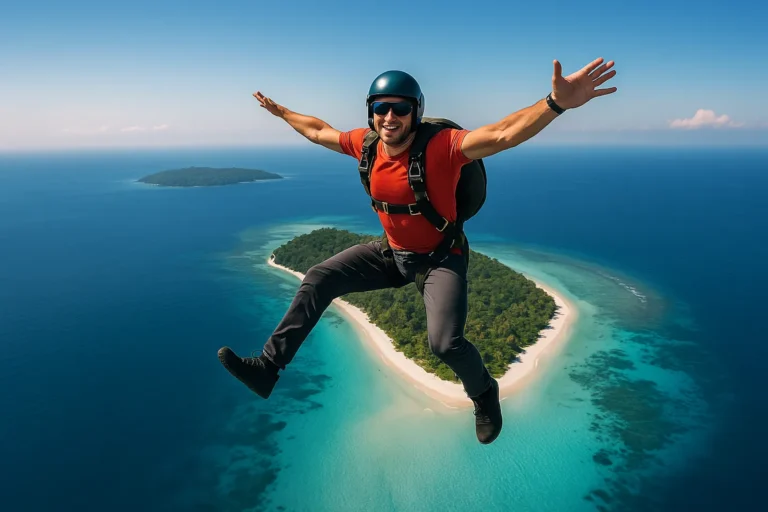


Skydiving is an exhilarating yet safe sport, and at Skydive Karimunjawa, we emphasize both the thrill and safety of tandem jumps. In 2027, global tandem skydive statistics highlight incredibly low accident rates, with fatalities and serious injuries being rare. We aim to provide an honest overview of these numbers, assuring adventurers of the safety measures in place.
Understanding Tandem Skydive Safety
Skydiving has evolved significantly over the past decades, with technological advancements and stringent safety protocols drastically reducing risks. In 2027, the United States Parachute Association (USPA) reported a tandem skydive fatality rate of about 0.002 per 1,000 jumps. This statistic underscores the safety of tandem skydiving, which is the method most beginners choose. The low risk makes it a perfect activity for those seeking adrenaline without compromising safety. In comparison, activities like bungee jumping or rock climbing often have higher risk levels, making tandem skydiving particularly appealing to thrill-seekers in Karimunjawa.
Our operations at Skydive Karimunjawa adhere to international standards, including gear inspections and instructor certifications. Before each jump, equipment undergoes rigorous checks, and our instructors are highly trained, reducing the risk of accidents. This meticulous approach ensures that each skydive is as safe as possible. Regular audits and compliance checks with Indonesian aviation authorities further bolster our commitment to safety. With our highly trained staff and state-of-the-art equipment, we ensure that our guests can focus on enjoying the remarkable vistas of the Java Sea beneath them.
Accident Rates and Common Risks
While tandem skydiving is remarkably safe, like any adventure sport, it carries inherent risks. Most incidents occur due to human error rather than equipment failure, emphasizing the importance of experienced instructors and proper training. At Skydive Karimunjawa, our instructors undergo comprehensive training programs and hold certifications from globally recognized bodies. This intensive training includes simulated emergency scenarios ensuring readiness for any unexpected situation. Our team’s expertise ensures jumpers are in safe hands, even when high above the scenic waters of Cemara Besar or Menjangan Kecil.
Minor injuries, such as sprained ankles during landings, occur at a rate of about 0.3 per 1,000 jumps, according to recent global statistics. These incidents are often due to unexpected wind conditions or incorrect landing techniques, both of which are minimized through our pre-jump briefings and ongoing training for instructors. Our landing areas, such as the soft sands of Tanjung Gelam, are strategically chosen to further reduce injury risks. We also provide post-jump assessments to continually improve our safety measures, making each skydive safer than the last.
Equipment and Technological Improvements
Technological advancements have greatly improved skydiving safety. Modern parachutes are designed with a secondary reserve chute that automatically deploys if there is an issue with the primary. Automatic Activation Devices (AADs) are standard in all our rigs at Skydive Karimunjawa, ensuring a secondary safety net for jumpers. The inclusion of these devices has been pivotal in preventing incidents, transforming potential emergencies into non-events.
The materials used in the construction of parachutes have also advanced, offering higher durability and reliability. Regular maintenance and checks of our equipment further ensure operational integrity, making the experience safer for every participant. Our equipment is sourced from industry leaders, guaranteeing quality and reliability. The robust and lightweight fabrics allow for controlled descents, giving jumpers a smooth experience as they glide over the emerald isles of Karimunjawa.
Local Safety Standards and Regulations
In Indonesia, skydiving operations are regulated by the national aviation authority, which mandates strict adherence to safety protocols. Skydive Karimunjawa complies with all local regulations, often exceeding them to align with international standards. Our commitment to safety is reflected in our track record and positive reviews from past participants. Regular inspections by local authorities ensure that we maintain the highest safety standards. Feedback from our participants is also integral to our continuous improvement philosophy, helping us stay at the forefront of safety in adventure sports.
The strategic location of our drop zone in Karimunjawa, with its clear skies during the dry season, further enhances safety. The reliable weather conditions from April to October provide optimal jumping conditions, minimizing weather-related risks. During this period, visibility is excellent, allowing jumpers to fully appreciate the striking landscapes as they descend. The calm seas also mean our boats run reliably on schedule, reinforcing the predictability and safety of our operations.
Choosing the Right Time and Season
The best time to skydive in Karimunjawa is during the dry season, from April to October. During this period, the Java Sea is calm, and the weather is predictable, reducing the likelihood of cancellations or delays due to adverse conditions. The monsoon season from January to March poses challenges with strong winds and low clouds, which can affect safety. The tranquil dry season weather allows participants to fully engage in the skydive experience, with minimal disruptions.
By choosing to jump in the dry season, adventurers can enjoy a more stable and enjoyable experience. Skydive Karimunjawa offers guidance on booking during the optimal months, ensuring that each jump is as thrilling and safe as possible. We also offer flexible rescheduling policies to accommodate any unexpected weather changes, demonstrating our commitment to safety and customer satisfaction. Our detailed weather tracking systems ensure that each skydive takes place under the best possible conditions.
Experiencing a Tandem Skydive at Skydive Karimunjawa
Located on Kemujan Island, home to Dewandaru Airport, Skydive Karimunjawa offers an incredible island drop zone experience. Jumpers exit the aircraft at altitudes between 10,000 and 14,000 feet, experiencing a thrilling 50-60 seconds of freefall at speeds of 120-140 mph. This is followed by a serene canopy descent of 5-7 minutes, landing on one of the striking beaches of Karimunjawa. The remarkable views from above include the lush forests of Menjangan Besar and the turquoise waters surrounding Cemara Kecil.
Our operation includes a comprehensive 15-30 minute ground briefing to prepare participants. This session covers safety protocols, the tandem harness system, and landing techniques. With an instructor securely attached, tandem skydivers can focus on the experience, knowing safety is our top priority. Jumpers often describe the experience as life-changing, citing the combination of adrenaline and natural beauty as unparalleled. Each jump is meticulously planned to ensure the best possible experience, making Skydive Karimunjawa a highlight for adventurers visiting the region.
Exploring Karimunjawa Islands
Beyond skydiving, the Karimunjawa Islands offer a plethora of activities for visitors. With 27 islands to explore, there’s something for everyone. The main island, Karimunjawa, hosts the majority of accommodations and is a hub for local culture and dining. Here, visitors can enjoy local delicacies such as fresh seafood and the famous nasi goreng, with meals often costing around IDR 50,000 (~USD 3.50) at local warungs.
For nature enthusiasts, the waters around Cemara Besar and Cemara Kecil are perfect for snorkeling and diving. The lively coral reefs and diverse marine life make these islands a region for underwater exploration. Equipment rentals are available on the main island, with prices starting at IDR 100,000 (~USD 7) for a half-day snorkel trip. For those looking for relaxation, Tanjung Gelam, known as Sunset Beach, offers striking sunset views, providing the perfect end to a day of exploration.
FAQs
Q? Is tandem skydiving safe? Tandem skydiving is very safe, with fatality rates of approximately 0.002 per 1,000 jumps. Skydive Karimunjawa follows strict safety protocols and employs highly trained instructors, ensuring a safe experience for all participants.
Q? What should I wear for a tandem skydive? Wear comfortable clothing and secure footwear. Avoid loose items that could get tangled during the jump. Skydive Karimunjawa provides all necessary equipment, including jumpsuits, for added safety and comfort.
Q? Can weather affect my skydive? Yes, weather conditions significantly impact skydiving safety. The best time to skydive in Karimunjawa is during the dry season from April to October, when conditions are most favorable. Skydive Karimunjawa monitors weather closely to ensure jumps occur safely.
For wider arrangements, our partner komodoboatcharter can coordinate end to end.
See also: Is Skydiving Worth the Money? What Your Karimunjawa Jump Actually Includes, Is Tandem Skydiving Safe? Drop-Zone Safety Stats & How Karimunjawa Protects You · Home.