
In 2027, choosing between skydiving in Karimunjawa or Bali involves weighing unique experiences. Both offer incredible views and memorable jumps, but differ in terms of scenery, logistics, and eco-conscious priorities. Whether you seek the remote beauty of Karimunjawa or the lively life of Bali, each promises a captivating dive into Indonesia’s skies.
Location and Accessibility
Karimunjawa, a serene archipelago in the Java Sea, consists of 27 islands, with the main island being Karimunjawa itself. This island is home to the main town and port, serving as the central hub for visitors. The islands are accessible via fast boat from Jepara, taking about 2 hours and costing approximately IDR 250,000-350,000 (USD 17-24), or by a slower ferry ride of 4-5 hours at a cost of IDR 95,000-130,000 (USD 6-9). Flights from Semarang to Dewandaru Airport on Kemujan, the second-largest island, take around 30 minutes, priced between IDR 450,000-600,000 (USD 30-40).
Conversely, Bali is a globally recognized destination with an international airport receiving flights from around the world. Its infrastructure is well-developed, offering flexible travel options including direct flights from major cities worldwide. The accessibility of Bali makes it a more convenient option for those who prioritize ease of travel over remote tranquility, with ample accommodations ranging from budget hostels to luxury resorts.
Scenic Beauty and Views
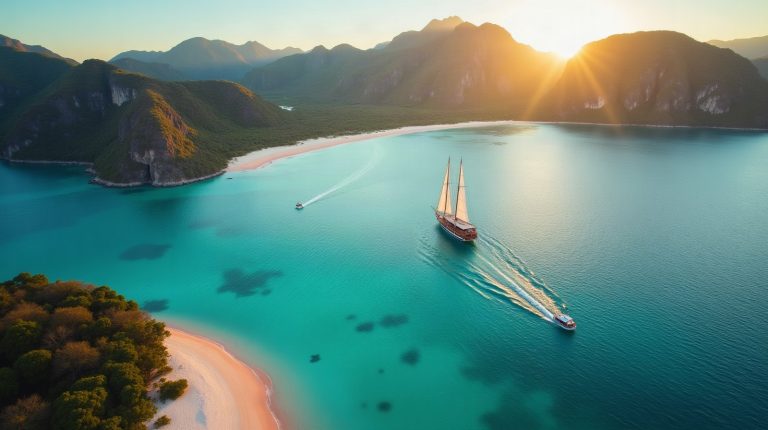
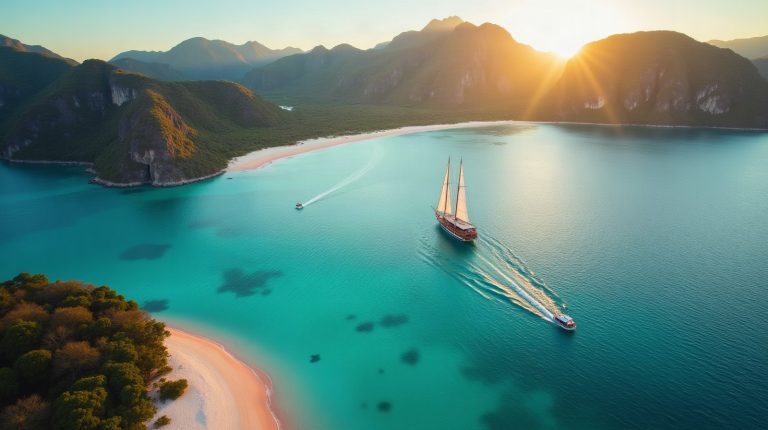
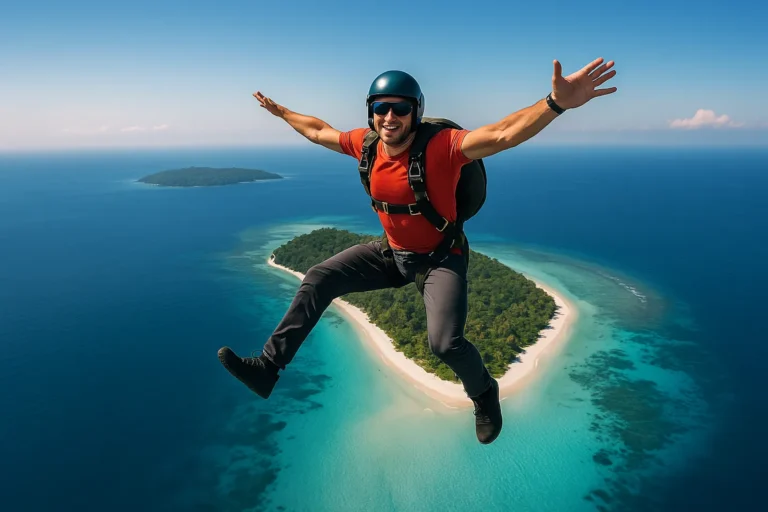
Skydiving in Karimunjawa offers distinct vistas of island clusters and turquoise waters. The archipelago’s designation as a national park ensures protected natural beauty, providing an eco-conscious backdrop for your leap. The view from 10,000-14,000 feet unveils sprawling marine diversity, coral reefs teeming with life, and lush landscapes far removed from urbanization. Named islands like Menjangan Besar and Menjangan Kecil provide unique perspectives from above, encapsulating the notable condition of this tropical region.
In Bali, skydivers are treated to a mix of ocean views, volcanic mountains such as Mount Agung, and lively rice terraces. The island’s diverse topography unfolds beneath you as you descend, merging cultural landmarks like Uluwatu Temple with natural wonders. This combination attracts those looking to blend a skydive with Bali’s rich cultural scene, allowing for an experience that is both visually and culturally enriched.
Environmental and Ethical Considerations
Karimunjawa places significant emphasis on environmental sustainability. As part of the Karimunjawa–Jepara–Muria Biosphere Reserve, tourists and adventure seekers are encouraged to respect the delicate ecosystem. Entrance fees to the national park are set at IDR 150,000 for international visitors and IDR 5,000 for locals, funds which support ongoing conservation efforts. The islands’ commitment to eco-tourism is evident, with strict guidelines minimizing the environmental impact of tourism activities.
Bali has also made strides in eco-tourism, though its heavy tourist traffic poses challenges to maintaining these efforts. While initiatives such as beach clean-ups and sustainable hotels are in place, the impact of tourism can still be felt more intensely than in the relatively untouched Karimunjawa. This makes Karimunjawa a preferable choice for environmentally conscious travelers seeking a more sustainable adventure.
Cost and Packages
Skydiving prices in Karimunjawa reflect its boutique nature and remote location, generally ranging from USD 250 to 350. This includes the tandem jump, equipment, and a full briefing session. Given the limited commercial exploitation, pricing remains consistent with a focus on quality over quantity. The experience is personalized, with smaller groups ensuring a more intimate adventure.
Bali’s skydiving industry is more competitive due to its tourist-centric economy. Prices might be slightly lower, ranging from USD 200 to 300, with packages often including additional perks such as photos and videos. These add-ons are aimed at enhancing the tourist experience and capitalizing on the island’s large visitor base, offering a range of options to suit different budgets and preferences.
Weather and Seasonal Considerations
The best time to skydive in Karimunjawa is during the dry season, from April to October. This period offers calm seas and reliable weather conditions, crucial for both marine travel and safe skydiving operations. The clear skies and gentle breezes make it ideal for enjoying the full panoramic views. Conversely, the monsoon season from January to March is known for rough seas and unpredictable weather, often resulting in delays or cancellations. Travelers should plan accordingly to avoid these disruptions.
Bali experiences similar seasonal patterns, yet its infrastructure is better equipped to handle weather disruptions with more frequent flights and alternative travel arrangements. However, Bali’s popularity during the dry season can result in crowded conditions, whereas Karimunjawa remains a serene escape regardless of season, appealing to those who prefer a quieter setting away from the hustle and bustle.
Unique Experiences
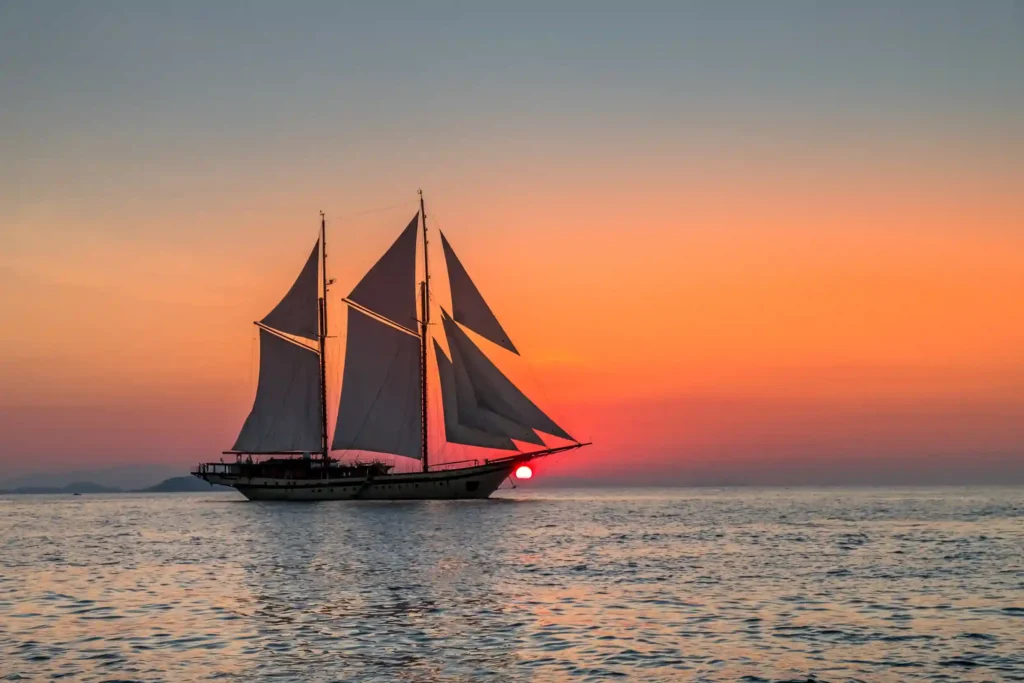
Choosing to skydive in Karimunjawa offers a unique chance to connect deeply with a less commercialized side of Indonesia. The jump encompasses both adventure and a commitment to conservation, heightening the experience with a sense of purpose and exclusivity. The journey to this remote destination is part of the adventure, allowing for exploration of untouched beaches like Tanjung Gelam, known for its striking sunsets and serene atmosphere.
Conversely, a skydive in Bali complements the island’s dynamic culture and busy atmosphere. It is an experience packed with the energy of a place known for spiritual and cultural richness, providing a lively contrast that appeals to those seeking both thrill and cultural engagement. Post-jump activities can include exploring Bali’s lively nightlife or visiting cultural sites such as the Sacred Monkey Forest Sanctuary, providing a diverse experience beyond the skydive itself.
Local Culture and Cuisine
Visitors to Karimunjawa can engage themselves in the local culture, which is deeply intertwined with the natural environment. The islands are inhabited by a small community that relies on fishing and tourism. Traditional Javanese cuisine is a highlight, with fresh seafood being a staple. Local dishes such as grilled fish with sambal and nasi goreng seafood offer a taste of authentic Indonesian flavors. The slow-paced lifestyle and welcoming locals create a warm and hospitable atmosphere that enhances the overall experience.
Bali, with its rich notable of cultures, presents a culinary adventure of its own. The island offers a blend of traditional Balinese dishes and international cuisine. Visitors can enjoy a range of dining experiences, from street food stalls to upscale restaurants. Signature Balinese dishes include babi guling (suckling pig) and lawar, a traditional mixed vegetable and meat dish. The lively food scene in Bali is a reflection of its diverse cultural influences, ensuring a satisfying culinary journey alongside your skydiving adventure.
FAQs
Q? How long does a tandem jump last? A tandem jump typically involves a freefall lasting 50-60 seconds from an altitude of 10,000-14,000 feet, followed by a 5-7 minute parachute ride to the ground.
Q? What is the recommended season for skydiving in Karimunjawa? The best time to skydive in Karimunjawa is the dry season from April to October, when weather conditions are optimal for both travel and jumping.
Q? How is Karimunjawa different from Bali for skydiving? Karimunjawa offers a more remote and eco-conscious skydiving experience, whereas Bali provides a blend of natural beauty and cultural vibrancy, with easier accessibility and more competitive pricing.
For wider arrangements, our partner komodoboatcharter can coordinate end to end.
See also: How Much Does a Tandem Skydive Cost in Indonesia in 2027? (USD & IDR Breakdown) · Home.